

The demand for skilled software testing professionals is growing as businesses increasingly depend on reliable, secure, and high-performing software applications. For students, freshers, and working professionals looking to build a career in Quality Assurance (QA), choosing the right Masters in Software Testing Course in Pune can be an important step toward developing industry-relevant skills.
Niche Thyself focuses on practical software testing education, covering manual testing, automation testing, API testing, modern automation frameworks, and AI-assisted testing techniques. These skills can help learners understand real-world QA processes and prepare for opportunities in the software testing industry.

What Is a Masters in Software Testing Course?
A Masters in Software Testing Course generally refers to an advanced or comprehensive learning program designed to develop expertise in software quality assurance and test automation. The exact qualification awarded depends on the training provider.
Before enrolling, check whether the program offers a formal postgraduate degree, a professional diploma, or a training completion certificate. A private training course should not be considered a university master’s degree unless it is officially awarded by an appropriately recognized institution.
A comprehensive software testing program may cover:
- Manual Software Testing
- Automation Testing
- Selenium WebDriver
- Playwright and Cypress
- Java or JavaScript Programming
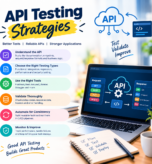
- API Testing
- Test Automation Frameworks
- Performance Testing Fundamentals
- Git, GitHub, and CI/CD
- AI Tools for Software Testing
Why Learn Software Testing in 2026?
Software testing has evolved beyond manually checking applications. Modern QA teams use automation frameworks, API testing tools, continuous integration pipelines, and AI-assisted workflows to improve software quality.
Learning these technologies can help you develop skills in:
- Identifying and reporting software defects
- Designing effective test cases
- Automating repetitive test scenarios
- Validating APIs and application workflows
- Understanding Agile development practices
- Supporting continuous testing processes
- Using AI tools to improve testing productivity
A comprehensive software testing program can provide a structured path for developing these skills.
Why Choose Niche Thyself?
Niche Thyself focuses on practical, career-oriented software testing education. The learning approach emphasizes understanding testing concepts and applying them through exercises and project-based practice.
Key learning areas include:
- Software Testing Fundamentals
- Manual Testing and Test Case Design
- Selenium Automation Testing
- Playwright and Cypress Fundamentals
- API Testing with Postman
- Programming for Test Automation
- Framework Development
- Git and CI/CD Fundamentals
- AI-Assisted Testing
- Project Practice and Interview Preparation
The goal is to help learners build a strong foundation in QA and understand the tools used in modern software development environments.
What Will You Learn?
1. Manual Testing
Manual testing is the foundation of software quality assurance. You will learn how to evaluate applications against business requirements and identify defects.
Topics include:
- Software Development Life Cycle (SDLC)
- Software Testing Life Cycle (STLC)
- Test Scenarios and Test Cases
- Bug Life Cycle
- Functional Testing
- Regression Testing
- Smoke and Sanity Testing
- Integration and System Testing
- Agile and Scrum Methodology
2. Programming for Automation Testing
Programming knowledge is important for creating and maintaining automated tests.
Depending on the selected framework, learners can study Java, JavaScript, or TypeScript, including:
- Variables and Data Types
- Conditions and Loops
- Functions and Arrays
- Objects and Classes
- Object-Oriented Programming
- Exception Handling
- Asynchronous Programming
3. Selenium Automation Testing
Selenium is a widely used open-source framework for automating web browsers.
Important topics include:
- Selenium WebDriver
- Locators and XPath
- CSS Selectors
- Wait Strategies
- Alerts and Frames
- Window Handling
- Dropdowns and Web Elements
- Cross-Browser Testing
- Test Execution and Debugging
4. Playwright and Cypress
Modern automation frameworks provide additional options for testing web applications.
Learners can explore:
- Browser Automation
- Assertions and Locators
- Test Fixtures
- Parallel Test Execution
- Screenshots and Reports
- End-to-End Testing
- API Testing Capabilities
Understanding different tools helps you select appropriate technologies for different project requirements.
5. API Testing
API testing checks whether different software components communicate correctly.
You can learn:
- REST API Fundamentals
- HTTP Methods and Status Codes
- Request and Response Validation
- JSON Data
- Authentication
- Postman
- API Test Scenarios
- Basic API Automation
6. Test Automation Frameworks
A well-designed framework makes automation testing easier to maintain and scale.
Key concepts include:
- Page Object Model (POM)
- Data-Driven Testing
- Reusable Methods
- TestNG
- Maven
- Test Data Management
- Reporting and Logging
- Framework Organization
7. AI for Software Testing
Artificial intelligence is becoming a useful assistant for QA professionals.
Tools such as ChatGPT and Google Gemini can help testers:
- Generate test case ideas
- Create sample test data
- Explain automation code
- Suggest test scenarios
- Assist with debugging
- Improve testing documentation
- Explore possible edge cases
AI-generated output should always be reviewed and validated before being used in a real testing environment.
8. Git and CI/CD
Modern QA engineers often collaborate with development and DevOps teams.
You can learn the fundamentals of:
- Git and GitHub
- Version Control
- Jenkins
- GitHub Actions
- Continuous Integration
- Continuous Testing
- Automated Test Execution
These skills help you understand how testing fits into modern software delivery workflows.
Practical Projects for Software Testing Students
Practical experience helps learners connect theoretical concepts with real-world applications.
Example projects include:
- E-Commerce Website Testing
- Login and Registration Testing
- Shopping Cart and Checkout Testing
- Banking Application Testing
- Travel Booking Application Testing
- REST API Testing
- Selenium Automation Framework Development
- Playwright End-to-End Testing
You can document your projects in a portfolio or GitHub repository to demonstrate your skills to potential employers.
Who Should Consider This Course?
A comprehensive software testing program can be suitable for:
- College Graduates
- Freshers
- Manual Testers
- Junior QA Engineers
- Automation Testing Beginners
- Working Professionals
- Software Developers Moving into QA
- Career Switchers
Advanced topics may require basic programming knowledge, but beginners can start by learning the fundamentals.
Career Opportunities After Software Testing Training
After developing the relevant skills and gaining practical experience, you can explore roles such as:
- Software Test Engineer
- QA Engineer
- Manual Tester
- Automation Test Engineer
- QA Automation Engineer
- API Tester
- Test Analyst
- Software Development Engineer in Test (SDET)
Career progression depends on your technical knowledge, experience, projects, communication skills, and interview performance.
A possible career path is:
QA Trainee → Junior QA Engineer → QA Engineer → Automation Test Engineer → Senior QA Engineer → SDET or QA Lead
Masters in Software Testing Course in Pune: How to Choose the Right Program
Before enrolling in any program, evaluate the curriculum and the type of qualification offered.
Consider these factors:
- Curriculum: Check whether it covers manual testing, automation, APIs, and modern testing tools.
- Practical Experience: Look for assignments and projects based on realistic testing scenarios.
- Programming Support: Make sure the course teaches the programming fundamentals needed for automation.
- Certification: Confirm who issues the certificate and whether it represents a degree, diploma, or course completion.
- Interview Preparation: Look for opportunities to practise technical questions and explain projects.
- Learning Format: Choose a schedule and delivery method that suit your needs.
- Career Support: Verify exactly what resume, interview, or placement assistance is provided.
These checks help you select a program that matches your career goals.
Frequently Asked Questions
Is a Masters in Software Testing the same as a master’s degree?
Not necessarily. Some providers use “master’s” to describe an advanced training program. Always verify whether the qualification is an officially recognized postgraduate degree or a professional training certificate.
Can freshers learn software testing?
Yes. Freshers can start with testing fundamentals and gradually learn programming, API testing, and automation frameworks.
Is coding necessary for software testing?
Manual testing can be learned without advanced coding. Automation testing, however, generally requires programming knowledge.
Which automation tools should I learn?
Selenium, Playwright, and Cypress are useful options for web application testing. Your choice should depend on your career goals and the technologies used by your target employers.
Can AI tools help software testers?
Yes. AI tools can assist with test case creation, code explanations, debugging, documentation, and test data generation. Human review remains essential.
Does certification guarantee a software testing job?
No. A certificate alone cannot guarantee employment. Practical skills, project experience, interview preparation, and the requirements of individual employers also matter.
Build Your Software Testing Skills with Niche Thyself
If you are exploring a Masters in Software Testing Course in Pune, Niche Thyself can help you understand the learning areas involved in building a modern QA skill set.
By developing your knowledge of manual testing, automation frameworks, API testing, programming, CI/CD, and AI-assisted testing, you can prepare for the changing expectations of software testing teams.
Start with the fundamentals, practise through projects, and gradually develop the advanced skills needed for your preferred QA career path.